


What are the Benefits of Using a Penetrating Sealer?
 Slate Crete
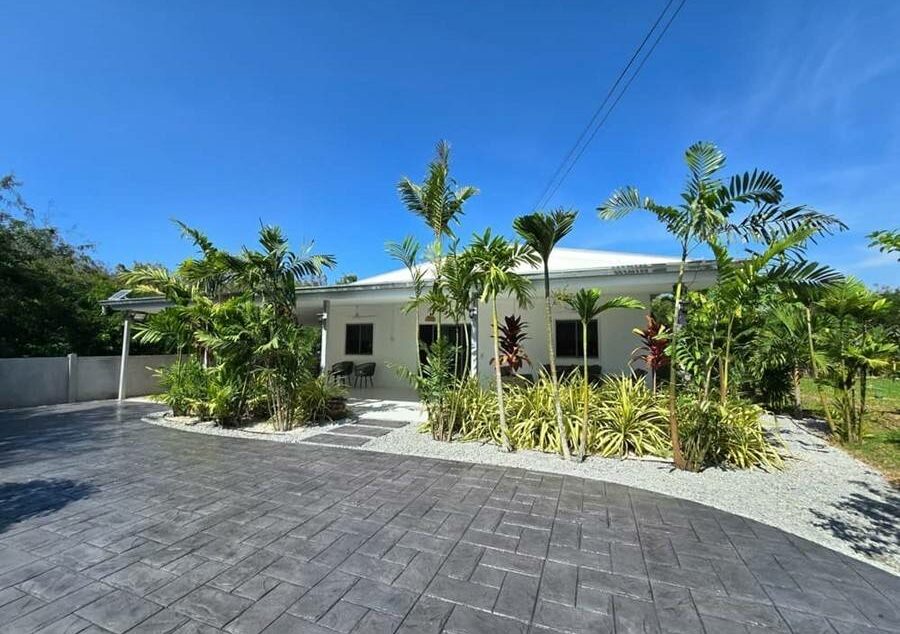
Concrete is a popular choice for flooring both inside and out. Concrete paths through the garden and around the pool, and polished concrete in the garage and inside your home. It’s a strong and durable construction material and is surprisingly attractive as a stylish flooring option.
However, concrete, and other forms of pavers used outside in the garden and on driveways, are very porous materials. This means they can soak up moisture extremely easily which can lead to some unsightly stains or damage. This is why we always recommend using a water based concrete sealer to protect the longevity and the look of your concrete driveway or garage floor, or the pavers that line your garden or swimming pool.
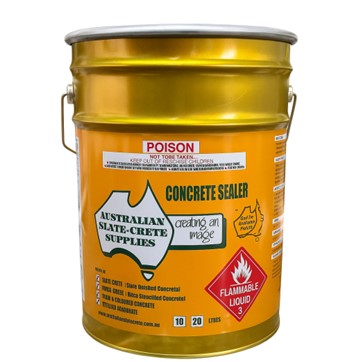
Australian Slate-Crete Suppliers are top notch concrete sealers in Melbourne, and in this article we’re going to show you why it is a good idea to use a penetrating sealer, and give you the benefits of using a solvent based concrete sealer around your home. We’ll also give you an idea of what happens if you don’t do this.
What is a penetrating sealer and what does it do?
A water based or a solvent based penetrating concrete sealer is a breathable solution, a liquid that is applied to concrete, stone and brick. It penetrates the surface, rather than sitting on top like a coating. It chemically bonds with the material and fills in the gaps and porous holes where moisture would normally seep in. This creates a hydrophobic barrier against water and other contaminants getting into your concrete or brick paving.
Often this chemical bonding strengthens the original material, increasing durability and giving long lasting protection.
Penetrating sealer goes into the strata, rather than sitting on top. This allows any trapped moisture to escape out in the form of vapour.
It also protects against freeze-thaw damage, where any moisture trapped in your concrete would freeze during the colder months, and at night. Then, during the day, when temperatures rise, that frozen moisture would thaw. This contracting and expanding process weakens the concrete or stone, eroding it over time and causing cracks and other damage.
What Happens if You Don’t Apply a Penetrating Sealer?
Not applying a penetrating sealer to your concrete surfaces or your outdoor stone and pavers leaves them vulnerable to staining and environmental damage.
Water Damage
The previously mentioned freeze-thaw damage can lead to flaking of the concrete surface, cracking and crumbling and lead to structural failures.
Continual water damage can cause the concrete surface to break and pit, leaving a rough, uneven surface. This is not an attractive look as well as being a potential safety hazard.
Staining
If you have a concrete floor in your garage oil and grease spills, and other motoring fluids, can penetrate the pores of the concrete and permanently stain them. Dark, unsightly oil stains are nigh on impossible to remove once they’ve soaked into your concrete.
Other chemicals that can be stored in the garage may also seep into your concrete floors, causing discolouration.
Surface Discolouration
When water evaporates it can leave behind tiny particles of salt. Over time this can lead to staining, a white powdery residue known as efflorescence.
Exposure to the sun and UV radiation can also hurt your concrete or stone pavers. The paving colours can fade, and combined with water damage, your concrete or pavers can erode at a faster rate than if they were protected.
Mould and Mildew
These biologicals love the damp. If your concrete path lies in shadow, then unprotected surfaces are likely to develop some form of algae growth. This is both unhealthy and unsightly, staining your concrete. What’s more, mould and mildew is notoriously difficult to get rid of permanently from the pores of your concrete.
The Benefits of a Penetrating Sealer
In simple terms, the benefits of applying a penetrating sealer means all the bad things listed above won’t happen.
- Water will not be able to penetrate and take hold within your pavers, so there would be no cracking or flaking due to freeze-thaw.
- With no water and moisture within your concrete, mould and mildew will not be able to take hold.
- Oil and grease and other fluids won’t be able to seep into the concrete, so this prevents staining.
What all this means is, the long-term maintenance for your concrete driveway or the pavers around your pool, is lower and will last longer. There would be more sweeping away of leaves than trying to wash away ingrained stains.
Using a water based concrete sealer also helps preserve the natural stone look of your pavers. UV damage can fade them, water damage and stains can alter the colouration. You can help maintain the look and feel of your backyard, and your garden, with lower maintenance. Keep your paved areas looking good for longer.
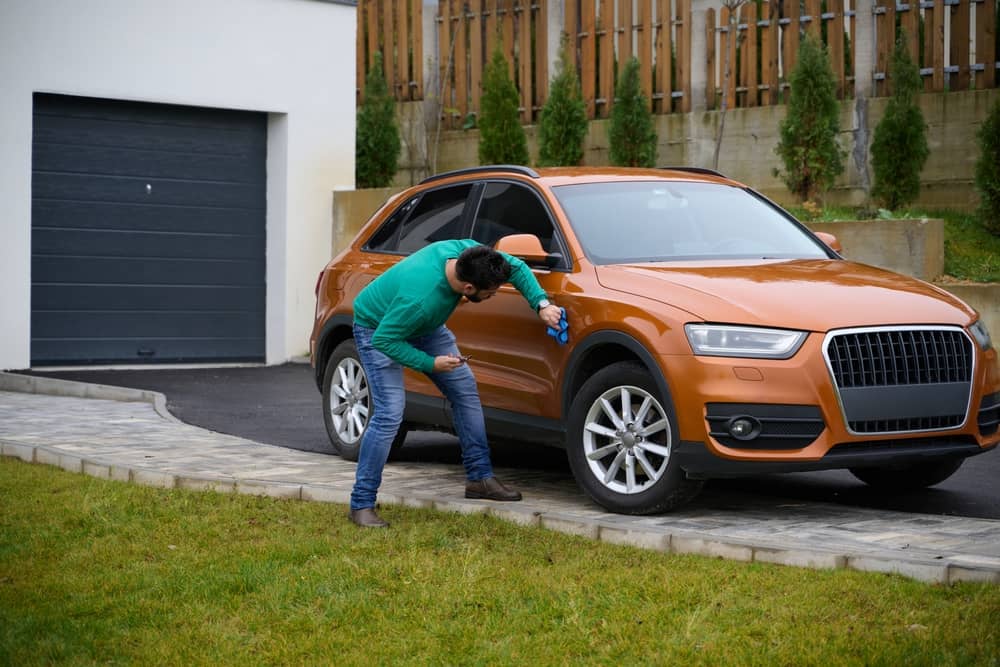
And last longer they will. The sealer bonds your porous stone and cement together and strengthens them. This has them resisting wear and tear, galloping children, the elements and the weather, and still looking good after many years. You won’t feel the need to replace your pavers, or re-concrete the driveway for a long time. This saves you money and worry.
How to Apply a Penetrating Sealer
As the premier concrete sealer supplier in Melbourne, We sell a wide range of sealers, in a variety of colours as well. This can help colour-match your pavement to enhance its lustre.
Step 1- Clear the surface. You need to prepare the area. Thoroughly clean the surface you’re about to seal. While water may evaporate out of your concrete once it is sealed, thicker liquids such as grease and oil will not. You don’t want to seal those stains into your concrete. A strong pressure wash is a good idea, as well as acid washing and degreasing if necessary
Step 2- Dry the area. The area you will be sealing must be completely dry. You’re protecting it from moisture, so it will not have moisture when you seal it. This will also delay the setting and drying time of the sealer, and can affect the colpour of the sealer.
Step 3- Test a small area. Try the sealer on a small area first to see how well it absorbs and how it looks on the surface. You want a good absorption rate and for it to essentially be invisible once applied.
Step 4- Apply the sealer. Using a low-pressure pump sprayer, spray with a uniform coverage as evenly as you can. You can also use a mop or a paint roller to apply the sealer. Give a generous amount of coverage and let the surface area be wet for a good five to ten minutes.
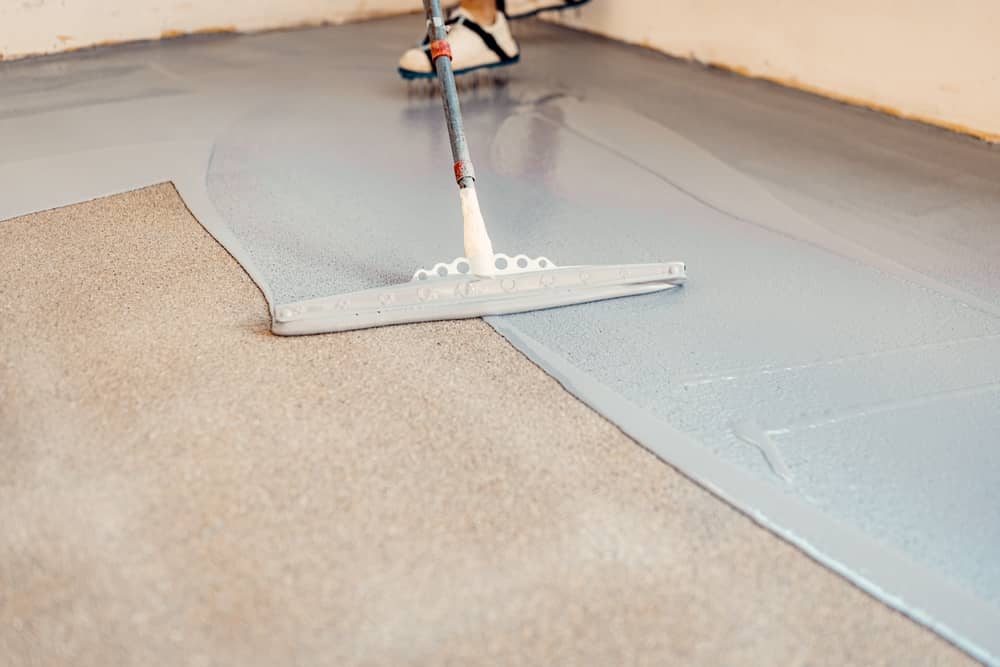
Step 5- Apply a second coat. When the first coat is dry, apply a second coat. This guarantees that all the pores and voids in your flooring are filled and sealed.
Step 6- Drying and curing. The area needs to be kept dry and free of foot traffic for at least 12 hours, 24 hours if you can manage it, and seven days before vehicle traffic
Step 7 – Testing. Apply a small amount of water to the surface. If it beads then the sealing was successful.
Seal of Approval
We always recommend using a water based or solvent based concrete sealer for your concrete flooring and your pavers. Our years of experience of being the best concrete sealer suppliers in Melbourne have had us helping many people with their concrete flooring and paved areas has shown us that it works. A sealer protects your walkways for longer and keeps them looking good.
In the garage, you can easily wipe up oil spills or hose down the deck, meaning cleaning is done in minutes, not hours of scrubbing with harsh chemicals.
For any advice on how to prepare your concrete or slate flooring and how to protect it, get in touch with us today. Help us help you create an image for your home and your lifestyle.
-
 February 4, 2022Sandstone Concrete Stencil
Do you want to add a touch of luxury and elegance to your concrete projects? If so, then consider using sandstone concrete stencils!
Read More -
 February 4, 2022Gloss Brick Sealer
Gloss brick sealer is a wonderful material for adding a brilliant shine to your brick slip wall feature.
Read More -
 February 4, 2022Bluestone Concrete Sealer
In a broad sense, the term “bluestone” is sometimes used to refer to a variety of stones. It’s a marketing term rather than a geological one.
Read More