



Removing Oil, Rust and Efflorescence Stains from Concrete
 Slate Crete

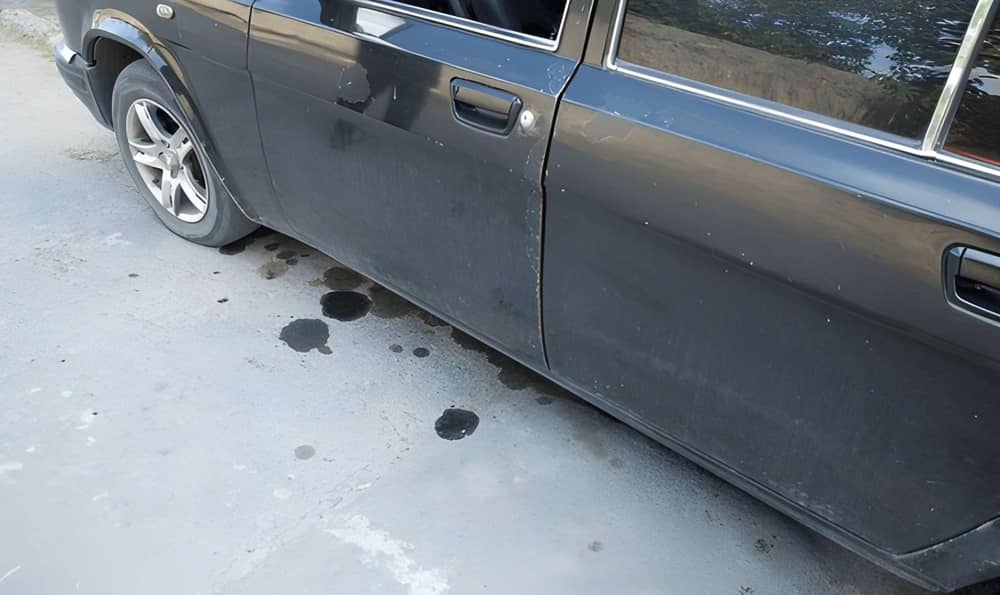
The concrete around the outside of your house can take a beating. Heavy rain can bring up the white powder of efflorescence, oil can leak from a car, and metal tools left on the shed floor can cause rust stains. If not treated quickly, these stains can sink deep into your concrete and ultimately become much harder to shift.
The good news is that there is a way to clean and remove each kind of stain. What’s important to note is that each stain requires a slightly different approach to clean it, and using the wrong product could only make the stain worse.
In this guide, you’ll learn how to identify each type of stain, which concrete cleaning chemical to use and how to stop the marks coming back.
Identifying Oil, Rust and Efflorescence Stains
Each of these stains has a distinct look. Once you know what each one looks like, they’re easier to identify.
1. Oil Stains
- Appearance: Dark spots, wet-looking patches, or dark brown/black discolourations with a greasy or glossy texture. They often spread outward as they soak deeper into porous concrete or pavers.
- Cause: Leaks or spills from vehicles and machinery.
- How to Identify: The stain feels slick or slippery, and water will bead or sit differently rather than soaking in uniformly.
2. Rust Stains
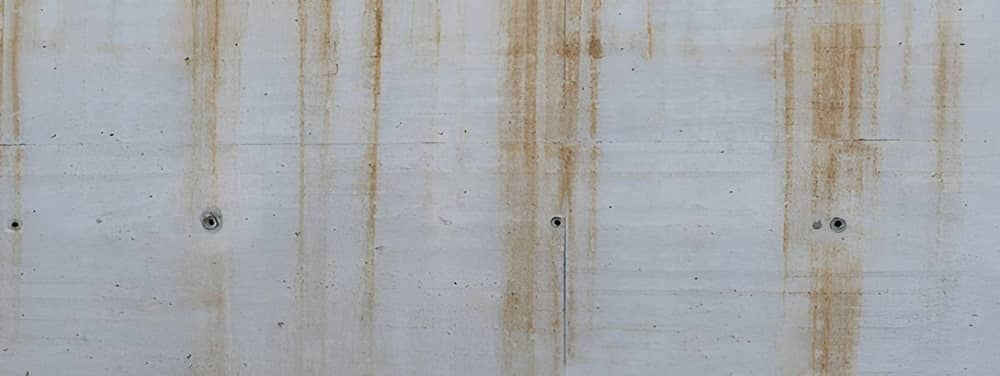
- Appearance: Reddish-brown, orange, or dark brown streaks and patches. They frequently follow a drip line or runoff path from outdoor steel.
- Cause: Water running over or sitting on exposed iron, steel bars, nails, or metal furniture, causing the metal to oxidise.
- How to Identify: Check for a nearby metal source or fastener directly above the discoloration. Unlike dirt, it has a distinct orange-to-brown rust tint.
3. Efflorescence Stains
- Appearance: A powdery, chalky white or grey deposit on brick, stone or concrete.
- Cause: Water-soluble salts and lime moving through the porous substrate and evaporating at the surface, leaving behind crystallised salt deposits.
- How to Identify (The Wet Test): Spray the white powder with a garden hose. If it temporarily disappears while wet and reappears as the surface dries, it is efflorescence. If it stays visible or turns into a hard milky film, it may be calcium carbonate or builder’s scum.
How to Remove Oil Stains from Concrete
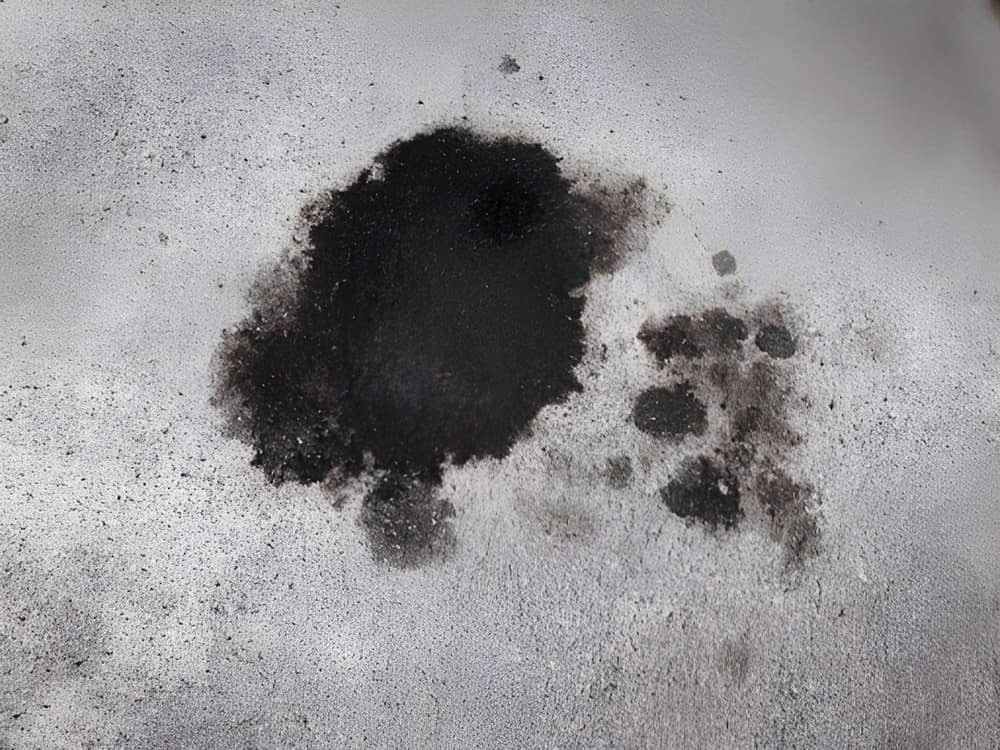
To remove oil stains from your concrete, you will need to use an absorbent powder or a specialised concrete degreaser, then scrub and rinse the area thoroughly.
The first method for removing oil stains involves an absorbent powder or poultice. This method is best for fresh spills or heavy staining.
- Blot the spill with rags or paper towels to soak up any standing oil as soon as possible.
- Apply something absorbent. Kitty litter works remarkably well, so too does sawdust or baking soda.
- Let the absorbent powder sit for a long time, overnight, perhaps. This gives it time to soak up oil from the concrete’s pores.
- Sweep up the oil-soaked powder the next day and dispose of it responsibly.
The second method for removing oil stains is with a degreaser and hard scrubbing. This is best for stubborn stains that won’t respond to the absorbent powder, or oil stains that have been there for some time.
- Apply a dedicated concrete cleaner or degreaser to the stain.
- Let the degreaser dwell on the stain for around ten minutes so it can break the oil up. Make sure the degreaser doesn’t dry out.
- Get in and scrub vigorously with a stiff-bristle broom. This gets the degreaser deep into the concrete pores to help remove the oil.
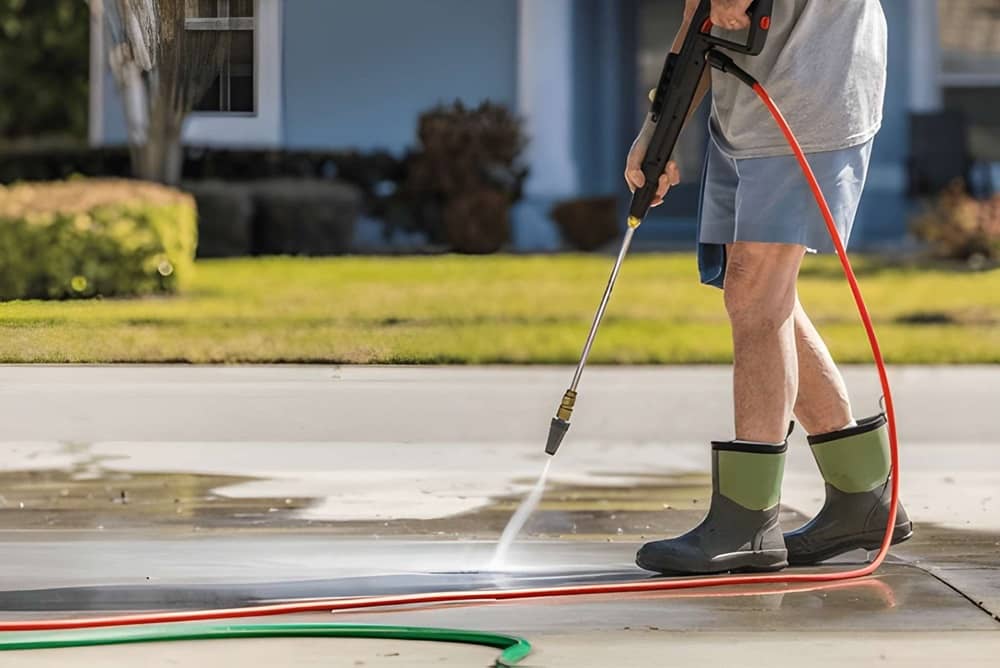
- Wash the area with a garden hose or a pressure washer to remove the oil and the degreaser.
How to Remove Rust Stains from Concrete
You need an acid-based cleaner to break down the iron oxide in rust stains and fully clean it from your concrete. And like with oil stains, you’ll need a stiff brush and a hose to clean up at the end.
For fresh rust stains:
- Apply white vinegar or lemon juice to the stain.
- Let it sit for around 30 minutes.
- Scrub with the stiff brush
- Hose off with a garden hose or pressure washer.
For any other rust stains:
- Use a specialised rust cleaner that contains oxalic acid.
- Make the concrete damp and apply the cleaner. Let it dwell for up to 15 minutes.
- Scrub and rinse thoroughly.
How to Remove Efflorescence from Concrete
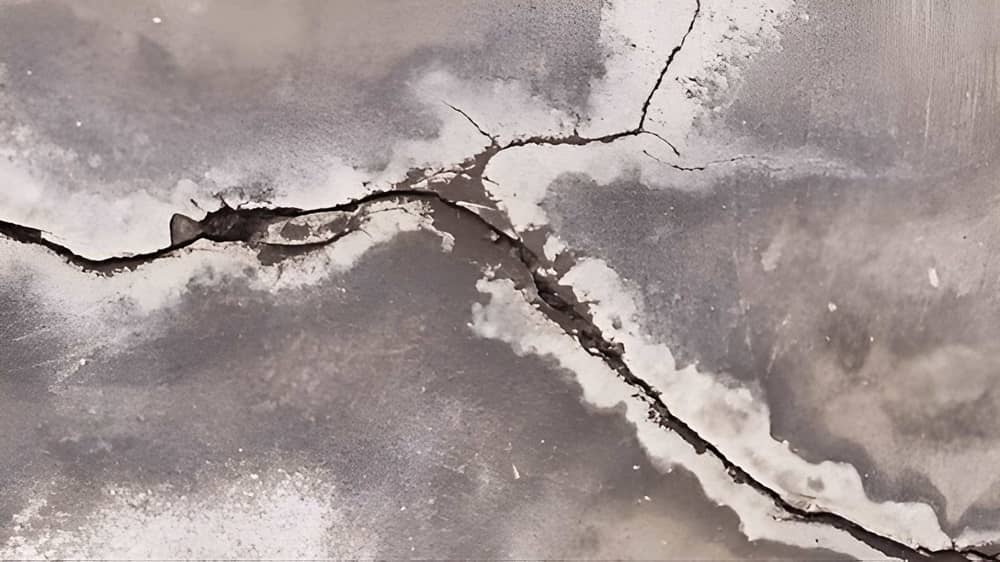
Cleaning and removing efflorescence involves an extra step: you need to seal your concrete afterwards so it won’t come back. Where oil stains and rust stains are caused by the human hand, efflorescence occurs when the concrete gets wet and water evaporates upwards, bringing the minerals to the surface.
- Dry brush the surface to remove all powdery white deposits.
- Dampen the surface with clean water so the concrete won’t absorb too much of the cleaning solution too quickly.
- Apply a cleaning solution:
- For a mild build-up, use a 1:1 mixture of white vinegar and water.
- For a heavy build-up, use a diluted acid solution (1:10 with water) or a masonry cleaner.
- Let the solution sit for around 10 minutes, but don’t let it dry. Scrub the area with your stiff-bristled brush.
- Rinse the area thoroughly with clean water, or use a pressure washer. If you’re cleaning a heavy build-up and using acid to help, neutralise the acid with baking soda, and then rinse again.
- Once the concrete is clean, allow it to dry. This can take a few days. Then you need to seal the concrete to stop any future moisture evaporation and mineral migration.
Essential Concrete Cleaning Chemicals and Tools You’ll Need
You can put together a concrete cleaning kit to keep in your garden shed for whenever you need to clean stains. This is a good idea because the sooner you can attack a concrete stain, the easier it will be to clean it.
The tools you will need:
- Stiff-bristled nylon brush or broom. This tool loosens embedded dirt and works chemical treatments into the surface.
- Pressure washer. For large cleaning jobs, a pressure washer can rinse a larger area more quickly and thoroughly than a simple garden hose.
- Watering can or foamer applicator. This can apply cleaning chemicals more evenly across the surface. It also avoids splashing and over-applying chemicals.
- Wet vacuum. This can recover dirty water and chemical runoff, particularly for indoor areas or large commercial floors.
- Safety equipment. Waterproof gloves, safety goggles, slip-resistant boots, and a respirator or mask for when you’re handling chemicals or acid.
Preventing Stains on Concrete
Prevention is better than cure. If you can stop a stain from happening, you save time on cleaning up after yourself, or someone else.
1. Apply a Concrete Sealer
- Penetrating Sealers: These soak into the concrete’s capillaries and use fluoropolymers or siloxane to block oils, water, and grime while keeping a natural matte finish.
- Film-Forming (Topical) Sealers: Options like acrylic, polyurethane, or epoxy coat the top surface to provide higher resistance to chemicals, grease, and heavy wear.
- Re-seal Regularly: Re-seal surfaces typically every 1 to 3 years depending on foot or vehicle traffic.
2. Clean Spills Immediately
- Oil and Grease: Act fast before oils soak deep into the porous concrete. Sprinkle baking soda or cat litter over fresh spills to absorb the liquid, then scrub with a concrete degreaser.
- Organic Matter (Leaves, Sap, Tannins): Sweep away leaves and debris weekly to stop tannins and organic acids from breaking down and staining the slab.
- Timber Furniture: Weather new timber before placing it on concrete, or use a composite alternative to prevent tannin leaks.
3. Maintain a Routine
- Regular Sweeping: Use a stiff-bristled broom to clear grit and loose dirt that can grind down sealers and scratch the surface.
- Gentle Washing: Rinse with a garden hose or use a low-to-medium pressure washer with a neutral pH cleaner (pH 7–7.5) to avoid etching the cement paste or exposing aggregate stones prematurely. Avoid harsh acids or unbuffered bleach unless treating specific, isolated stains.
High-Quality Concrete Supplies in Melbourne and Australia-Wide
Oil, rust and efflorescence all come out more easily when you act fast and use the right product. Keeping concrete cleaning chemicals, sealers and tools on hand means you can deal with a stain before it sets.
Australian Slate Crete Supplies is a family-run business in Epping, Melbourne, with over 30 years of experience. We supply everything from concrete cleaning chemicals to sealers, strippers and concrete tools to tradies, builders and DIYers. The next time you’re shopping for concrete supplies in Melbourne or Australia-wide, simply browse our range and place an order today.
Alternatively, you’re welcome to get in touch with our team for advice and we’ll point you to the right product.
-
 February 4, 2022Sandstone Concrete Stencil
Do you want to add a touch of luxury and elegance to your concrete projects? If so, then consider using sandstone concrete stencils!
Read More -
 February 4, 2022Gloss Brick Sealer
Gloss brick sealer is a wonderful material for adding a brilliant shine to your brick slip wall feature.
Read More -
 February 4, 2022Bluestone Concrete Sealer
In a broad sense, the term “bluestone” is sometimes used to refer to a variety of stones. It’s a marketing term rather than a geological one.
Read More