


How to Maintain and Restore Faded Exposed Aggregate Concrete
 Slate Crete
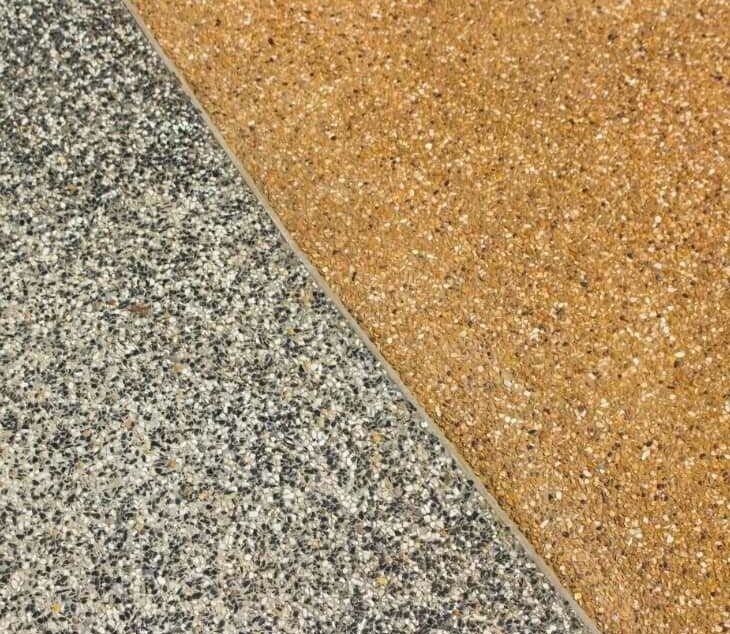
Exposed aggregate concrete is one of those finishes that looks fantastic when done right. It has texture, depth and stones that catch the light in a dazzling array. But like any outdoor surface in Australia, it takes a beating from UV exposure, foot traffic, rain and general wear and tear. Over time the rich, textured finish can start to look dull, faded and tired.
The good news is that restoring faded exposed aggregate concrete is well within the reach of most homeowners and tradies. In most cases you don’t have to replace anything. With the right preparation and the right products, and a little know-how, you can bring your concrete back to life.
In this guide, the team at Australian Slate-Crete Supplies, your local experts in exposed aggregate supplies in Melbourne and across Victoria, will walk you through everything you need to know about maintaining and restoring your exposed aggregate concrete. From identifying the early signs of fading to choosing the best concrete sealers in Melbourne for a long-lasting finish, we’ve got you covered.
What Is Exposed Aggregate Concrete?
Exposed aggregate concrete is a decorative finish with a natural texture of embedded stones, pebbles or sand. By washing or treating the surface and removing the top layer of cement, the underlying materials are exposed, producing a distinctive, textured surface.
How It’s Made
The concrete is mixed with aggregates, such as quartz, granite or even recycled glass. It is then poured into the desired shape.
Once the cement begins to set a surface retarder is often applied to keep the top layer not quite set, and pliable. This top layer paste is then washed away and brushed to reveal the stones or glass shards beneath.
The final step is to seal the cement and lock in the colour, enhance the shine and prevent liquid stains.
Why People Choose It
One of the reasons people choose exposed aggregate concrete is for safety reasons. The natural roughness of the exposed stones provides excellent traction and is great around swimming pools and spas.
It is a highly durable style of concrete and stands up well to heavy foot traffic. This makes it ideal for garden paths, front verandas, even driveways. And the level of customisation is great. Different colours of cement, different aggregate stones to match your property, and even glass, as we mentioned before. A polished aggregate concrete floor, with beer bottles, in your man shed? Ideal.
Why Does Exposed Aggregate Concrete Fade?
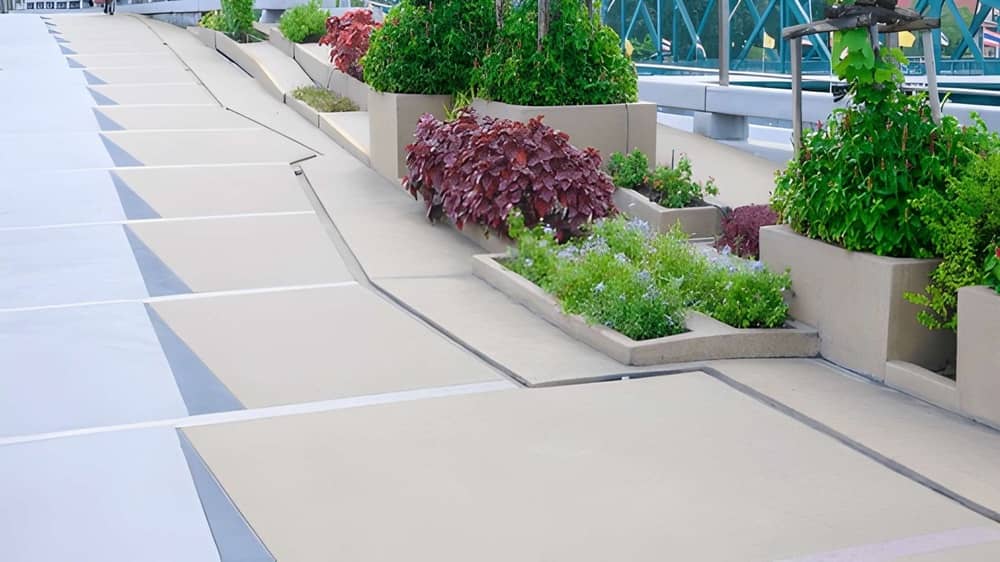
Generally, exposed aggregate concrete fades because either the protective sealer wears away over time, or the thin layer of cement paste surrounding the stones erodes due to weathering.
- Degraded Sealer. The wet and glossy look of new concrete is a result of the sealer that is poured over the top of a new installation. UV exposure over time can break down the chemical bonds of this sealer so it loses its shine. Foot traffic can also wear the sealer down. Friction from walking grinds the thin layer down and eventually wears it away.
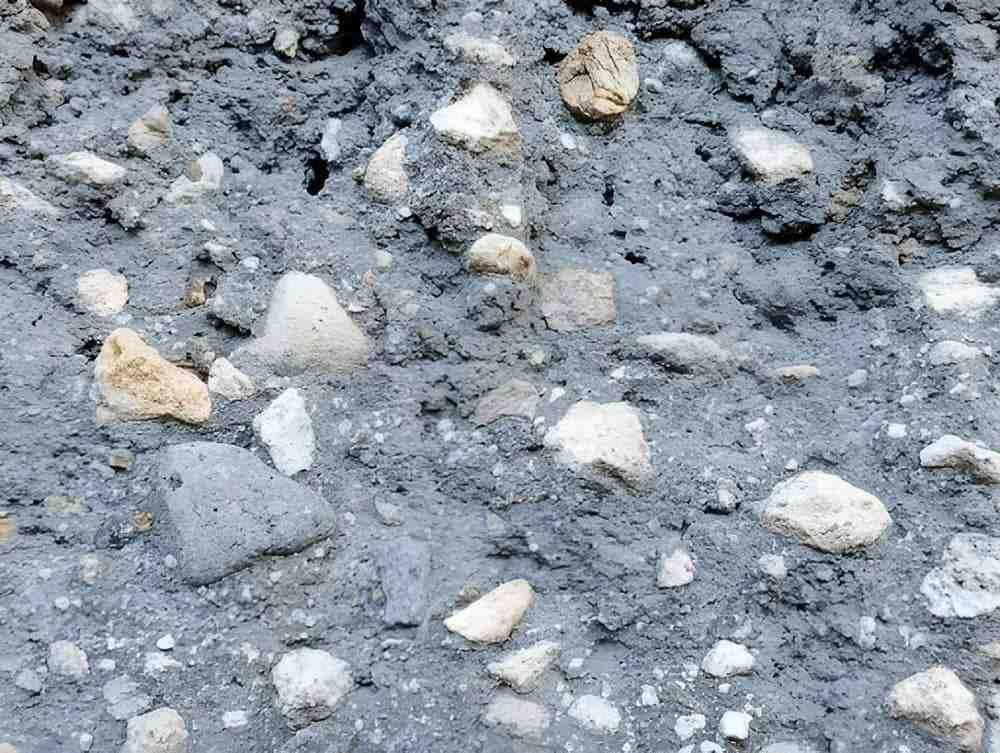
- Cement Paste Erosion. The cement beneath the sealer is porous and susceptible to water damage. The weather, wind and rain and fluctuating hot and cold temperatures slowly eats away at the cement between the stones. This exposes more stones beneath that have not had the shine of sealer, and so makes the cement look dull.
- Moisture. If your cement is looking white and cloudy then it has an issue with moisture. As moisture evaporates it draws lime and salt to the surface. This forms a chalky white film which dulls your concrete. Or, trapped moisture beneath the sealant can cause the sealer itself to turn milky white.
- Dirt and Organic Growth. In damp, shaded areas, algae can form and grow, forming a dark film over the shined surface of your concrete. Sometimes it can just be trodden in dirt that is making your concrete faded and dull. A strong power wash can often solve the problem.
How to Tell If Your Exposed Aggregate Needs Attention
How your concrete looks is the first sign that it may need some TLC. Does it appear dull and faded, beyond something a sweep or wash would fix? Are stones coming loose? Here are some activities you can use to determine if you need to do some maintenance on your faded concrete.
Water Absorption Test
If your sealer is intact it will repel water. Take a cup of water and pour it onto your aggregate. If the water beads, the sealer is still good. If the water soaks into the concrete and darkens it, then the sealer is compromised and your concrete is exposed to the elements.
Dull or Faded
Your aggregate concrete should have a shine to it from the exposed rocks or glass. If it is faded or chalky then weathering has impacted the concrete and you will need to reseal your flooring.
Stubborn Stains
If you’ve tried washing your concrete and stains remain, then it is highly likely the liquid from those stains has penetrated the porous concrete below the sealant. You will need to do some stripping and resealing of your concrete.
How to Clean Exposed Aggregate Concrete Before Restoring It
Before restoring your aggregate you need to remove dirt, grime and any old sealer that is still there. If you don’t clean and prepare your concrete, you will only reseal the problems from before.
- Clear the surface and kill all organics. Using a stiff broom, or a leaf blower, clear off the dirt and leaves and twigs from the surface of your concrete. If there is mould or mildew, treat them with an outdoor cleaner or an oxygen bleach product.
- Treat stubborn stains. Oil and grease stains which are clingy need an absorbent material to soak them up. Baking soda is an excellent choice. Let it sit for a few hours to draw out the stain, then sweep it away, followed by a commercial grade concrete degreaser and a stiff brush. If your concrete has rust or fertiliser stains, then an acid-based cleaner is required.
- Wash and scrub. You can use your standard garden hose for this job. Use a medium pressure setting on a pressure washer to clean the surface. Don’t have too high a pressure as you may dislodge some of the stones. If you’re scrubbing manually, then use a pH-neutral concrete cleaner and vigorously scrub the surface with a stiff brush.
- Acid wash. If you’re stripping old sealer then you may need an acid wash. Apply a diluted mixture of hydrochloric acid, or a special acid gel. Scrub lightly while it foams up and then rinse thoroughly to neutralise the acid. You must ALWAYS wear protective gear if conducting an acid wash.
- Allow to dry. After all the cleaning and scrubbing and acid removal, you must allow the concrete surface to dry. Generally give it 24 hours, depending on the weather.
How to Restore Faded Exposed Aggregate Concrete
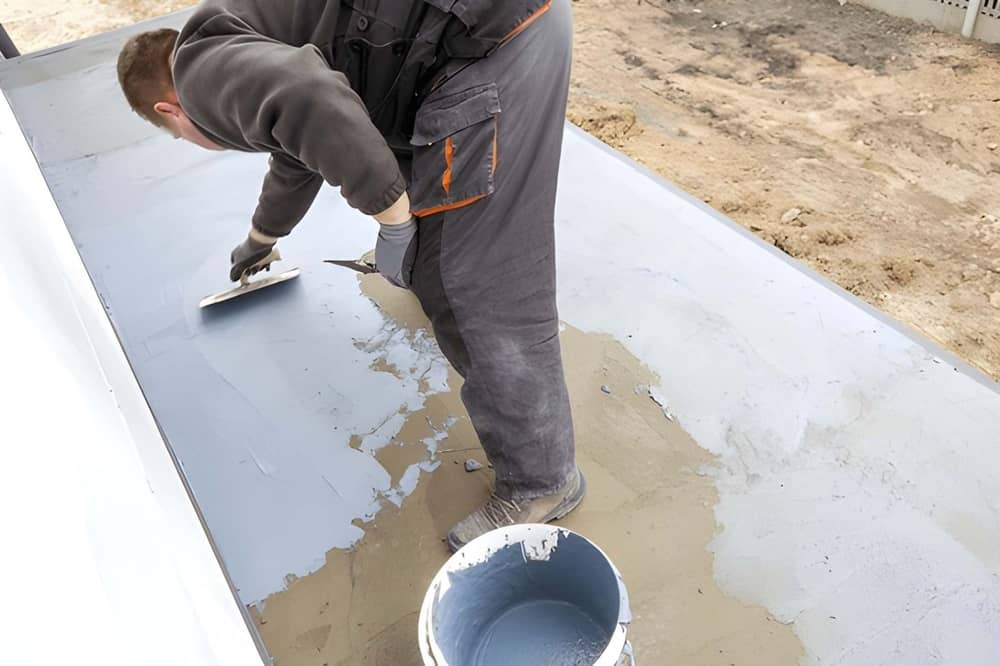
After you’ve thoroughly washed your concrete and maybe given it a mild acid bath, now you restore it.
- Fill any cracks. If you can, use colour-matched concrete epoxy to repair any deep cracks. These can be places where moisture can invade at a later date, requiring maintenance again. If you’ve lost some aggregate during the cleaning process, find some pebbles or glass that match your overall design. With concrete bonding adhesive, firmly place the replacement aggregate into the void.
- Choose your exposed aggregate sealer. Choose a concrete sealer from our range, such as a solvent-based high gloss or semi-gloss acrylic sealer.
- Apply your sealer. Pour the sealer into a bucket. You can use a long-nap roller or a specialised broom to apply. Keep a paintbrush handy to cut around the edges and corners.
- Second coat. Once the first coat is dried, usually 2 or 3 hours, apply a second coat of sealant.
- Curing. Keep traffic off the newly sealed area. 24 hours for foot traffic and up to 5 days for vehicle traffic.
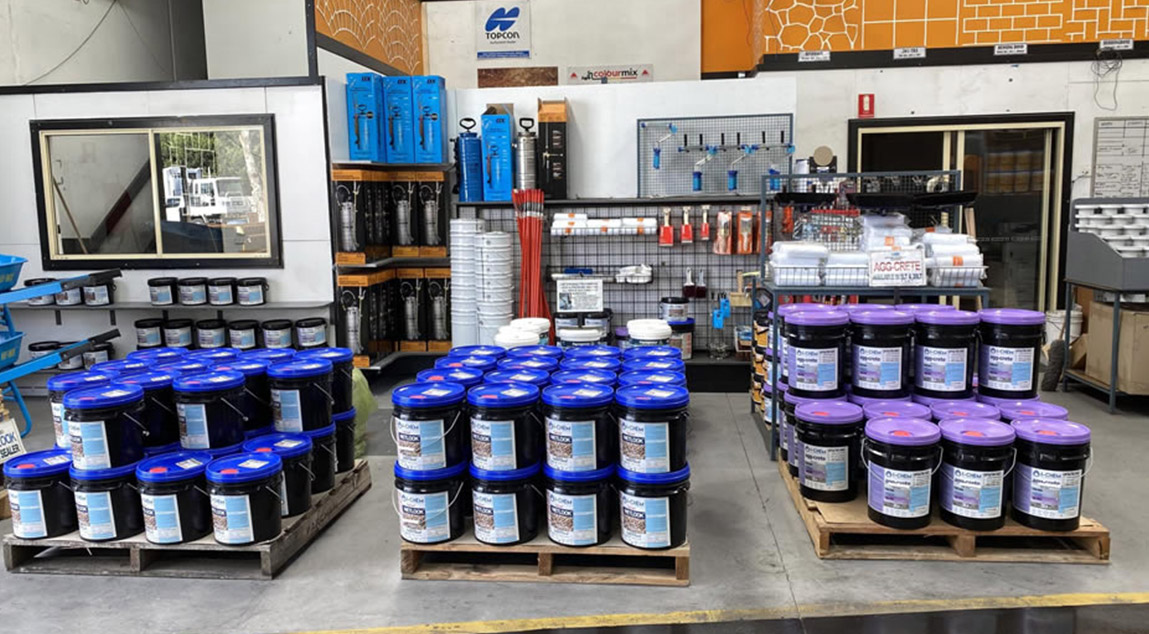
I-Chem water-based sealer is one of our best selling products for concrete sealing. Ask our team for any advice in cleaning, prepping and sealing for your concrete projects.
How Often Should You Reseal Exposed Aggregate Concrete?
We recommend resealing your exposed aggregate every three or four years, depending on varying factors.
- If it is a high-traffic area such as a driveway or a commercial path, then we’d recommend three years.
- Low traffic areas such as garden paths or a feature wall, four years.
- Interior polished cement floors, out of the weather and elements, five years.
Get the Right Exposed Aggregate Supplies in Melbourne
Australian Slate-Crete Supplies has all you need to maintain your aggregate exposed concrete and keep it looking its best. Premium sealers and all the tools you need for a surface prep to a full resealing. We have everything that Melbourne tradies and home-owning DIY’ers need to get the job done right.
Ready to reseal or start a new project? Get in touch with the team today and let’s get you bringing your aggregate concrete back to life.
-
 February 4, 2022Sandstone Concrete Stencil
Do you want to add a touch of luxury and elegance to your concrete projects? If so, then consider using sandstone concrete stencils!
Read More -
 February 4, 2022Gloss Brick Sealer
Gloss brick sealer is a wonderful material for adding a brilliant shine to your brick slip wall feature.
Read More -
 February 4, 2022Bluestone Concrete Sealer
In a broad sense, the term “bluestone” is sometimes used to refer to a variety of stones. It’s a marketing term rather than a geological one.
Read More