


What Type of Concrete Cleaner Should You Use Before Sealing or Resurfacing?
 Slate Crete
Tough, modern, and stylish, concrete is quickly becoming a more and more popular flooring option. No longer reserved for outdoor paths or industrial locations, polished and sealed concrete surfaces are now finding their way into high-end garages and into people’s homes. They look spectacular and are exceptionally easy to clean. However, before you seal, or resurface concrete, you need to clean it thoroughly, otherwise dirt and grime and stains will stick out like the proverbial sore thumb.
There are different ways to clean your concrete and an assortment of liquids and chemicals you can use to clean it up ready for sealing. Australian Slate-crete Supplies are industry leaders and suppliers when it comes to concrete cleaning chemicals. In this article we’re going to go over what types of chemicals to choose and when to use them. We’ll also talk about safety equipment so you have everything you need to know to turn ordinary concrete into a flooring dream.
What is the difference between Sealing and Resurfacing?
Sealing concrete and resurfacing concrete are two related but different processes, but does it change the way you clean your concrete?
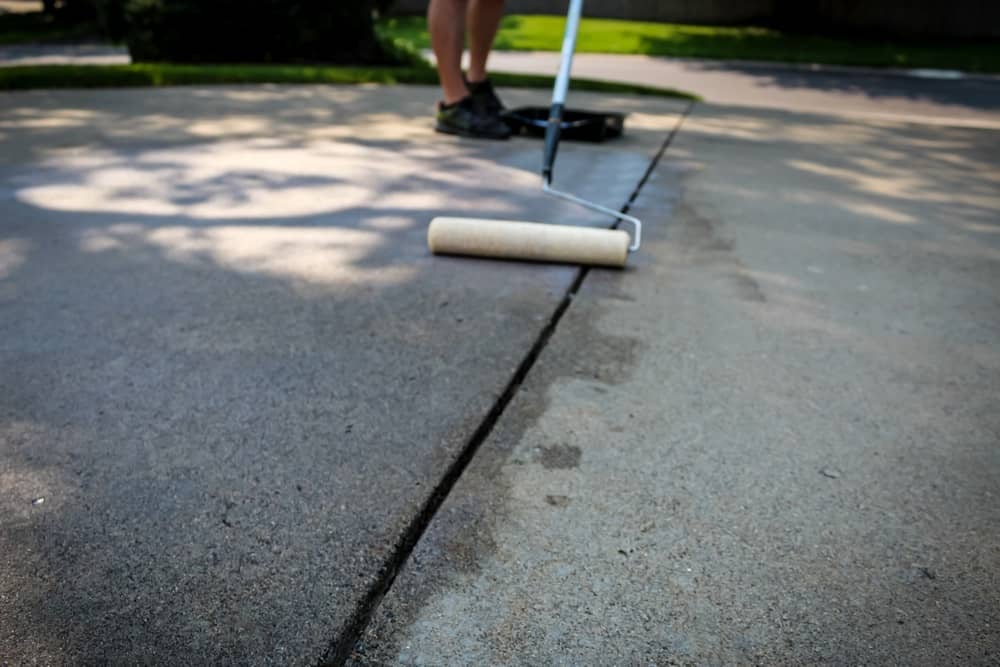
Sealing concrete is a protective measure that adds a clear or tinted covering to your concrete. This keeps your concrete floor intact and in good condition, protecting it from stains and water damage.
Resurfacing concrete is a repairing process. You apply a new, polymer-modified cement layer to damaged or cracked concrete to give it a brand new, durable and attractive finish.
The main difference between the two depends on the condition of the concrete. If it is in good condition, you only need to seal it. If it looks a bit worn and weathered you need to resurface it.
Sealing is a quick job, a fast and inexpensive way to create a durable barrier and bring your dull-looking concrete surface to life. Resurfacing is a longer job, involving cleaning and repairing cracks, applying a base compound and then sealing.
Resurface your cracked or flaking driveway without having to demolish it and start again.
Seal your concrete if it is in good condition and you want to prevent stains and water from damaging it further.
What Are Some Common Stains You Can Get On Concrete?
In and around your home, there are some common types of stains we see all the time. Stains you may see on the driveway or your garden path, to those found in garages all the time.
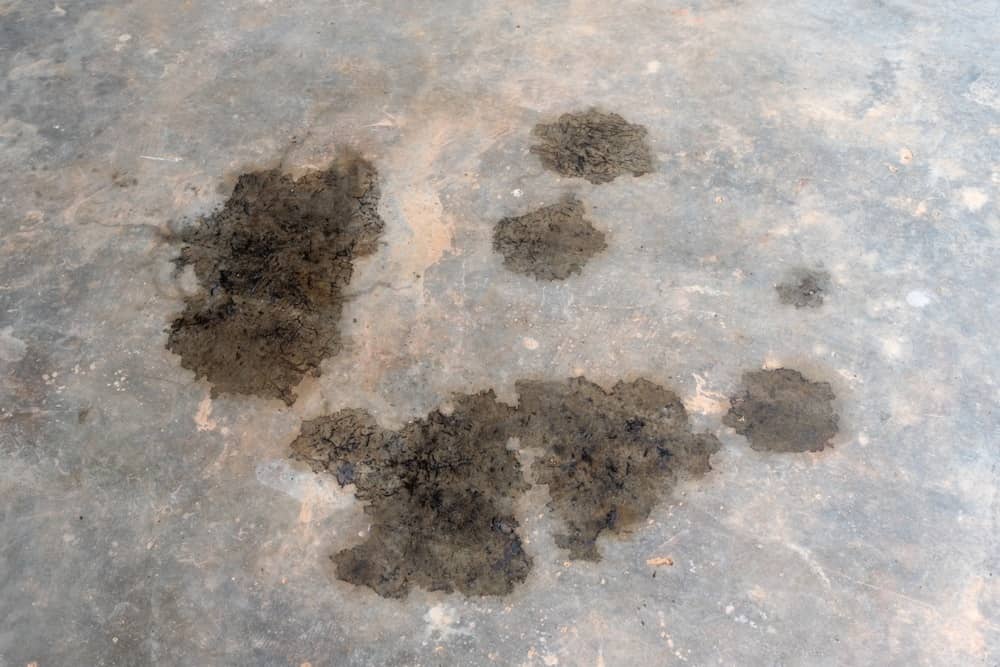
- Oil and Grease: Quite often these are in the garage. Many people have concrete floors in their garage. Oil dripping from car engines, or grease from brakes, or even power tools you may keep in the garage, all add up to stains on your concrete. They can be dark spots which can become hard-to-remove shadows over time, or if the oil drip is constant, it’s a dark, sticky stain that will get bigger over time.
- Rust: Metallic outdoor furniture sitting on concrete, or even some forgotten metal leaning on the wall in the garage. They leave orange-brown marks, and because they’re caused by water, can be signs that your concrete may have water damage.
- Mildew or Algae: Damp areas in shade with not much sunlight can accumulate mould and mildew. The corners of your garage, shady parts of your garden path, can all have green, slimy stains thanks to algae or mildew.
- Organic Stains: Sticks and leaves, berries or sap, all leave organic stains on the concrete, tannins from the leaves and sugary residue from berries.
- Bird Droppings: Garden paths can be afflicted with this. Highly acidic, they stain patios and driveways all the time.
- Paint & Chemicals: Stored in sheds and garages, paint can drip or chemicals can drip. Chemicals can eat into your concrete, and paint will dry and damage your concrete as well.
All of these stains and dirt need to be thoroughly cleaned before you seal or resurface, otherwise the damage they cause will continue, just beneath the new seal you put on top.
Masonry Cleaner v Concrete Cleaner
A quick note here on masonry cleaner and concrete cleaner, as you may see both types when you go looking for a cleaning product.
Masonry cleaners are usually acidic in nature. They use acids to break down alkaline efflorescence. You would use a masonry cleaner for rust or mortar residue.
Concrete cleaners are more alkaline in nature, or degreasers. They use soap to break down oil and grease and are best used for breaking down stains on driveways and pavers, or in your garage.
What Kind of Cleaner Should You Use?
The type of cleaner you use depends on the kind of stains you have. Identify what stains you are trying to clean first, and then grab the right cleaner for the job. You don’t want to spend money on cleaning solutions that don’t do the right job for you.
- Alkaline Cleaners & Degreasers: These powerful cleaners are designed to break down organic based stains, grease, oil and tyre marks, so they are perfect for use in garages. They are also good for cleaning up heavy dirt stains.
- Acidic Cleaners: Otherwise known as etching agents, they’re good for removing hard-to-remove mineral stains and rust stains. They’re also used to etch concrete before sealing.
- Safe Acid Alternatives: You can use citric-acid based cleaners or phosphoric cleaners rather than a harsher acid cleaner. They’re less corrosive and better for the environment.
- pH-Neutral Cleaners: Gentle, soap-based cleaners which you can use once your concrete is sealed. The idea is once you’ve resurfaced or cleaned your concrete, stains will be easier to remove, and you won’t need as harsh a cleaning product.
- DIY and Home-based Alternatives: Sometimes household alternatives can work just as well. Baking soda works for oil absorption, white vinegar for light stain removal, or even just water through a high-pressure water cleaner can remove stains and dirt.
- Oil-Eating Microbes: For deep stains that have got right into your concrete, oil stains that have been there for years, this overnight stain remover literally eats oil stains, down at the molecular level.
The Correct Way To Handle Cleaning Chemicals
When using alkaline or acidic chemicals to clean concrete of ingrained stains and dirt, you need to protect yourself and your environment. You don’t want burns to your skin or damage to anything else.
- PPE: Always wear gloves and eye protection to protect yourself from chemical splashes. Also wear old clothes for the same reason.
- Good ventilation: Do not inhale fumes. Have doors and windows open as much as you can. If you need, use a respirator and face mask
- Protect the environment: Cover nearby plants or grass, shelving and other places with drop sheets and plastic. Cleaning agents, in particular, are very good at killing plants.
- Never mix chemicals yourself: Use as directed, don’t mix cleaners because you have a variety of stains to remove. Mixing bleach with acid can create toxic fumes that can be deadly.
- Skin contact: If any of the chemicals come in touch with your skin, wash the areas thoroughly with running water from a tap. If there is a severe burn, go to the hospital.
- Storage: Always keep chemicals locked away. Never store them in direct sunlight, and have the area they’re stored in be well ventilated.
How to clean your concrete
Before you clean your concrete you must sweep it clean. You do not want to be adding a liquid cleaner to a dirty surface as that dirt may become a part of your new concrete surface. This will not only look bad but it may also continue to degrade the concrete beneath the new sealant.
- Bleach & Water (For Mould/Mildew): Mix 1 part thin bleach with 1 part water, or use thick bleach diluted with two parts water. Apply to concrete, scrub with a stiff brush. Let sit for 30 minutes, and rinse thoroughly.
- 30 Seconds Outdoor Cleaner: Mix equal parts cleaner and water in a sprayer. Fully saturate the area, wait 15 minutes, scrub if necessary, and rinse.
- Degreaser for Oil Stains: Sprinkle cat litter or baking soda on oil to absorb excess grease, then scrub with a mixture of hot water and soap or a commercial degreaser. Rinse with water when done.
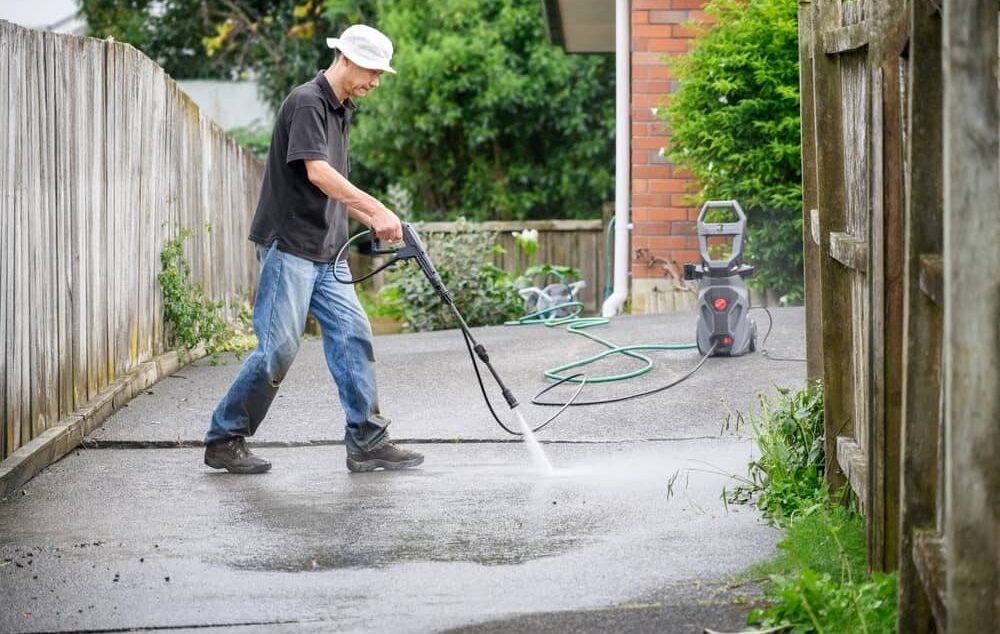
- Pressure Washer: Use 1,800–2,200 PSI to clean large, unsealed surfaces. A surface cleaner attachment is highly effective for driveways.
- Vinegar & Baking Soda: Use a mixture of white vinegar and water with baking soda for a natural, safe cleaner. Scrub in with a stiff brush or broom. Let it sit for half an hour and then hose it clean.
Cleaning may not be a fun job, and concrete cleaning even less so but when done right, with the correct chemicals and procedures, you can restore your concrete to something wonderful with hardly any effort. You can enhance your home’s curb appeal while also preserving and protecting the structural integrity of your concrete for years to come.
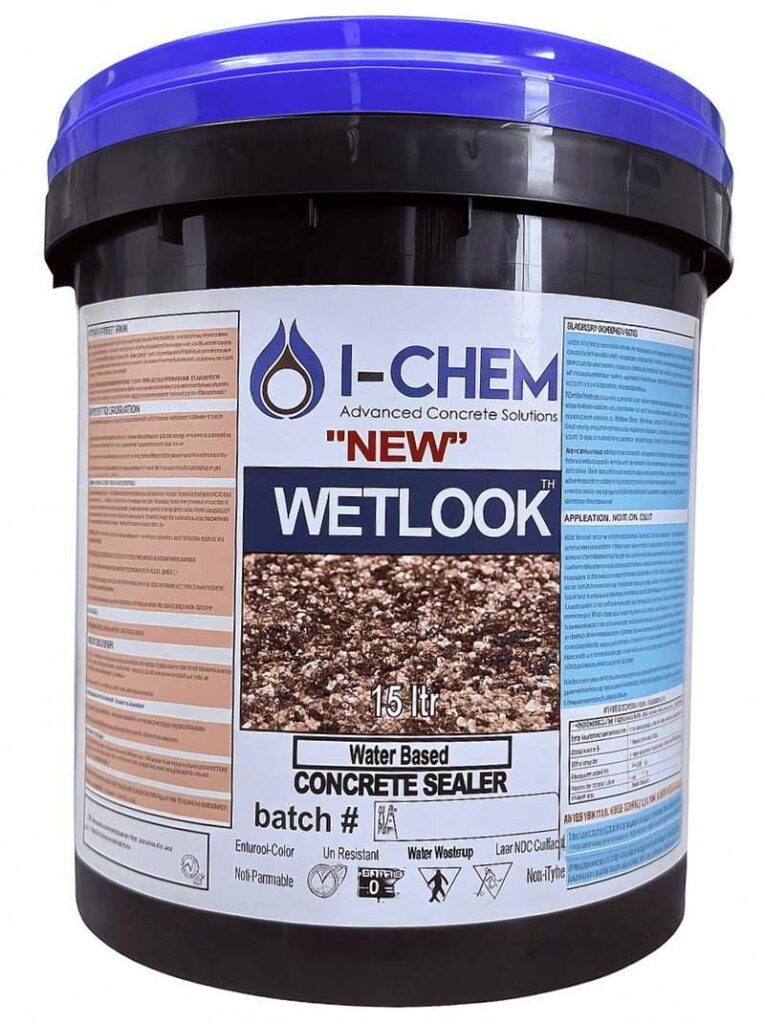
As a leading supplier of concrete cleaning products across Australia, Australian Slate-Crete Supplies stocks everything you need to get the job done right – from acid-based solutions and cleaning chemicals to protective footwear and safety gear, as well as concrete sealers. Our team is ready to help you clean, prepare and resurface your concrete, whatever you need.
-
 February 4, 2022Sandstone Concrete Stencil
Do you want to add a touch of luxury and elegance to your concrete projects? If so, then consider using sandstone concrete stencils!
Read More -
 February 4, 2022Gloss Brick Sealer
Gloss brick sealer is a wonderful material for adding a brilliant shine to your brick slip wall feature.
Read More -
 February 4, 2022Bluestone Concrete Sealer
In a broad sense, the term “bluestone” is sometimes used to refer to a variety of stones. It’s a marketing term rather than a geological one.
Read More