


Essential Tools for Repairing Cracked Concrete
 Slate Crete
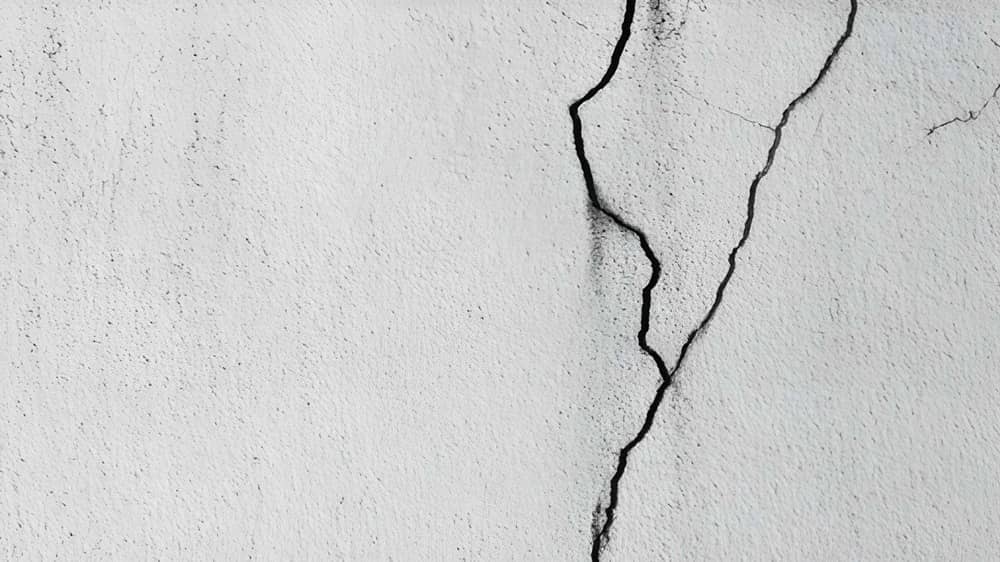
Cracked concrete can be an eyesore, and without the proper attention, a safety hazard. From the path outside your home to your perfectly laid concrete driveway, anywhere that cracks appear can become a major problem. Tiny cracks can grow over time into long rents in the concrete, which are unsightly, and unsafe.
Before your concrete garden path crumbles away and becomes a walking hazard, you can repair the concrete and bring it back to its original condition. You will need the right concrete tools supplied by Australian Slate-Crete Supplies.
In this article, we’ll go through how and why concrete cracks, and what tools you will need to repair it again.
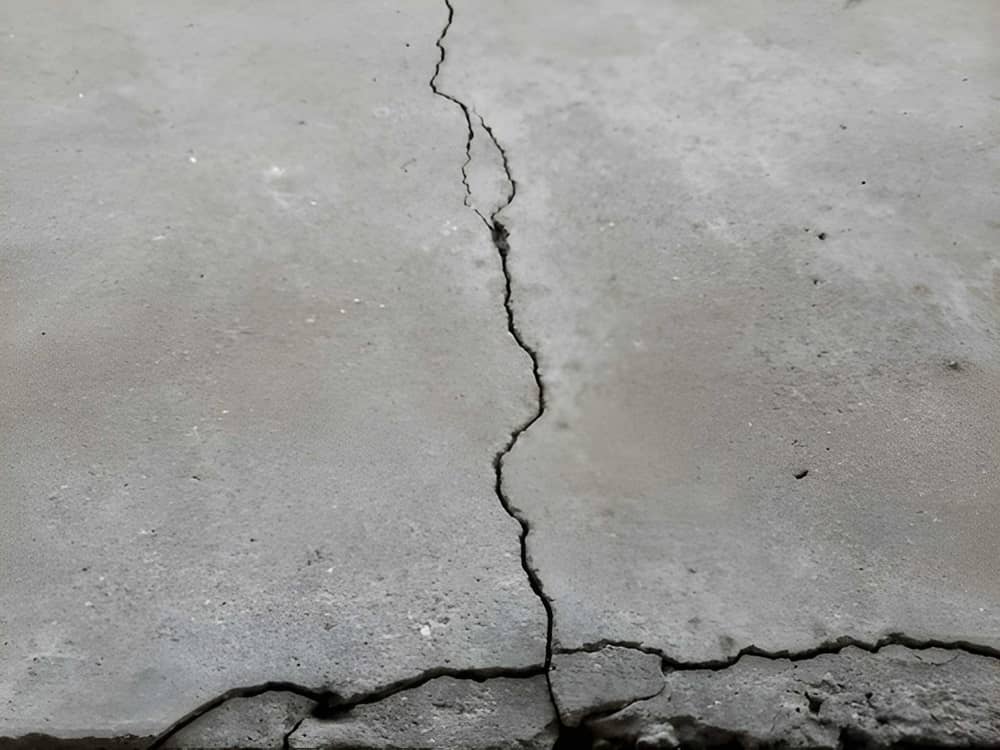
What Causes Concrete to Crack?
The primary reason that concrete cracks is drying during the curing process. However, concrete is strong in compression but weak in tension, so it cracks when it cannot flex, such as when ground settles underneath it or there is rapid moisture loss during a freeze-thaw cycle.
Here is a list of the common causes for concrete cracking.
- Drying shrinkage. As the concrete dries and hardens, curing, the water evaporates. If it evaporates too fast, the volume of the concrete reduces and surface cracks appear.
- Too much water. If your concrete mix is too moist this increases the shrinkage during curing, and reduces the overall strength of your concrete. This increases the chances of cracking.
- Subgrade Preparation. If the ground you’ve prepared for your slab is not properly compacted, your concrete will settle unevenly and begin to crack.
- Rapid drying. If you’re laying concrete in hot and dry conditions, and the surface dries too quickly, the difference between the surface and deeper in the concrete can cause shrinkage cracks.
- Overloading. If you exceed the load-bearing of the concrete it can crack. A heavy truck on your driveway that was designed for cars, is an example.
There are three common types of cracks you will encounter with your concrete:
- Hairline crack. Usually cracks on the surface and often a result of shrinkage or rapid drying.
- Structural cracks. These are usually deep cracks, and larger than hairline cracks. They’re caused by overloading or the subgrade shifting.
- Parallel to joints. These cracks are often caused by joints being cut too shallow or too late in the process.
The Essential Tools
Here are some of the essential tools you’ll need to prepare and repair your cracked concrete.
Cleaning and Preparation Tools
Before you make any repairs to your concrete you need to ensure the area is clean of any dirt or debris. Repairing concrete in a messy environment is inviting further damage in the future.
Here are some cleaning tools you can consider.
- Pressure washers and surface cleaners. High-pressure cleaners are good for removing stubborn grime and dirt, oil or mildew from the concrete. A rotary surface cleaner is also a great tool for cleaning and preparing the surface.
- Stiff-bristled brooms. Manual scrubbing of the surface, with some mild detergent, is good for hard to remove stains.
- Industrial floor scrubbers. If you have a large, flat surface you need repaired, then a scrubber-drier with roller pads or brushes can make the job easier.
- Vacuums/ wet & dry vacuums. You can remove loose dirt and debris from the surface and capture it in a vacuum bag. This is better than sweeping the debris aside, only to have winds blow it back again.
Here are some concrete preparation and surface preparation tools.
- Concrete grinders and polishers. Diamond grinders can level high spots and remove any sealants or paint stains from the surface. You can get hand-held grinders for small jobs.
- Diamond tooling pad This helps give you a precise level when grinding and give you a textured surface profile.
Crack Chasing and Widening Tools
Crack chasing is the process of widening concrete cracks and cleaning them out prior to repairing them. You can form a consistent v-shaped crevice which can give you a more uniform repair. Tools you would use can include:
- V-Segmented diamond blade. This is the most commonly used tool for crack chasing. It has wedge-shaped segments designed to follow cracks and widen them evenly.
- Tuckpointing blades. Once a crack has been widened, this can be used to rout out the cracks and clean them further.
- Angle grinders. This is the standard tool used to run the blades mentioned above.
Mixing and Application Tools
Now we get to the part of the repair process where you’re mixing the concrete and applying it to the driveway or path to repair the cracks. You can have small DIY sized tools, or large, industrial sized tooling to fix the big cracks in your concrete.
Mixing tools include:
- Portable concrete mixer. Vital for mid-to-large concreting projects, you can get electric or petrol powered mixers with a rotating drum. This rotation gives a consistent mix of concrete.
- Mixing drill and paddle. For the smaller repair jobs you can get a high-torque, low-speed handheld drill paddle for mixing cement or mortar in a bucket or small tub.
- Wheelbarrow. A traditional tool in every garden shed, a wheel barrow is essential for transporting the cement to where you need it.
- Measuring tools. You need precision when it comes to mixing and repairing. You don’t want to eyeball these jobs, as over supply or undersupply of concrete will result in more issues. Buckets for volume measurements, tape measures and water hoses are essential for achieving the right consistency, volume and length of concrete for repairs.
- Concrete rake. This is used to spread concrete across the area while still wet. It pushes or pulls the concrete to where it needs to go.
- Screed boa A handheld tool, often wooden, is used to level the surface and remove any excess concrete.
- Bull float. A large, flat tool used right after screeding to smooth and compact the surface of the concrete.
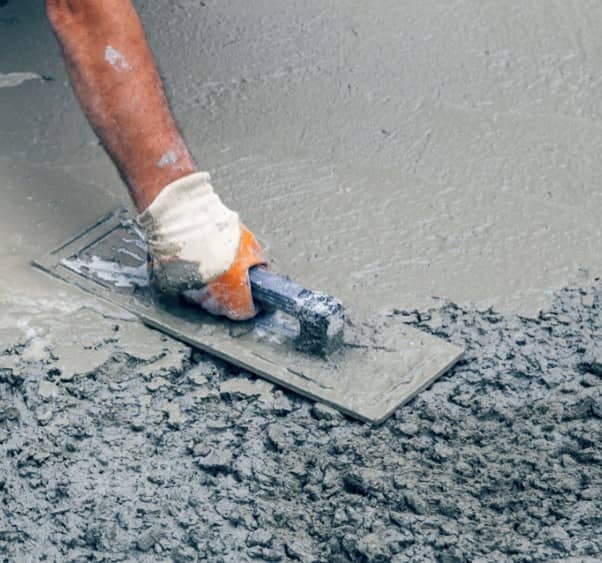
- Trowel. This is used near the end of the process to smooth and finish the concreting. Various types of trowels include a finishing trowel, margin trowel and corner trowels.
- Stiff-bristle broom. This is a handy tool to give texture to the surface of concrete, adding grip for pathways.
Safety Gear
As always, there is safety gear that you should be wearing while concreting. This protects you from injury and other conditions that can come from working with concrete.
- Face mask. You should wear P2 or N95 masks while working and preparing the concrete, such as chasing the cracks. This protects you against breathing in silica dust, which can cause silicosis.
- Eye protection. Safety goggles or full face shields with anti-fog coating can protect your eyes from concrete dust, or splashing wet concrete.
- Skin protection. Long-sleeved shirts, trousers or jeans will protect you from splashed cement that can burn, or tear at your skin if you try to rip it off when dry.
- Foot protection. Waterproof steel-toed safety boots are recommended. They protect from heavy objects, sharp debris or chemical burns.
- Hearing protection. Ear muffs or ear plugs rated for at least 25 dB should be worn if using grinding tools on the concrete.
- Knee pads. If you’re kneeling while doing the finishing work, knee pads are a godsend.
These are the tools you will need to help repair your concrete cracks. We can help you with tools, and the fillers and sealants you will need to perform solid repairs to your driveway or garden path from cracks and crumbling.
The team at Australian Slate-Crete Supplies understand that no two concrete jobs are the same. As one of Melbourne’s leading concrete tool suppliers, we stock everything you need to get the job done right, first time.
Are you ready to get started? Browse our range of concrete tools and other supplies, or get in touch with our team of experts today and we can set you on the right path to success.
-
 February 4, 2022Sandstone Concrete Stencil
Do you want to add a touch of luxury and elegance to your concrete projects? If so, then consider using sandstone concrete stencils!
Read More -
 February 4, 2022Gloss Brick Sealer
Gloss brick sealer is a wonderful material for adding a brilliant shine to your brick slip wall feature.
Read More -
 February 4, 2022Bluestone Concrete Sealer
In a broad sense, the term “bluestone” is sometimes used to refer to a variety of stones. It’s a marketing term rather than a geological one.
Read More