


How to Safely Strip Old Sealer from Concrete (And the Best Chemical Strippers to Use)
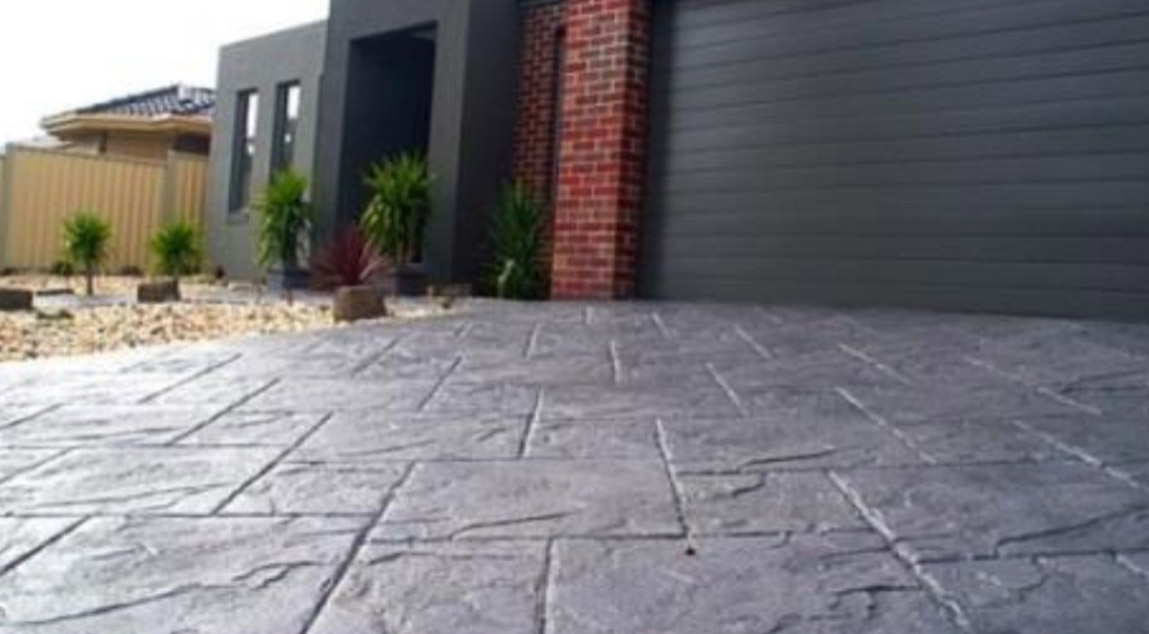
 Slate Crete
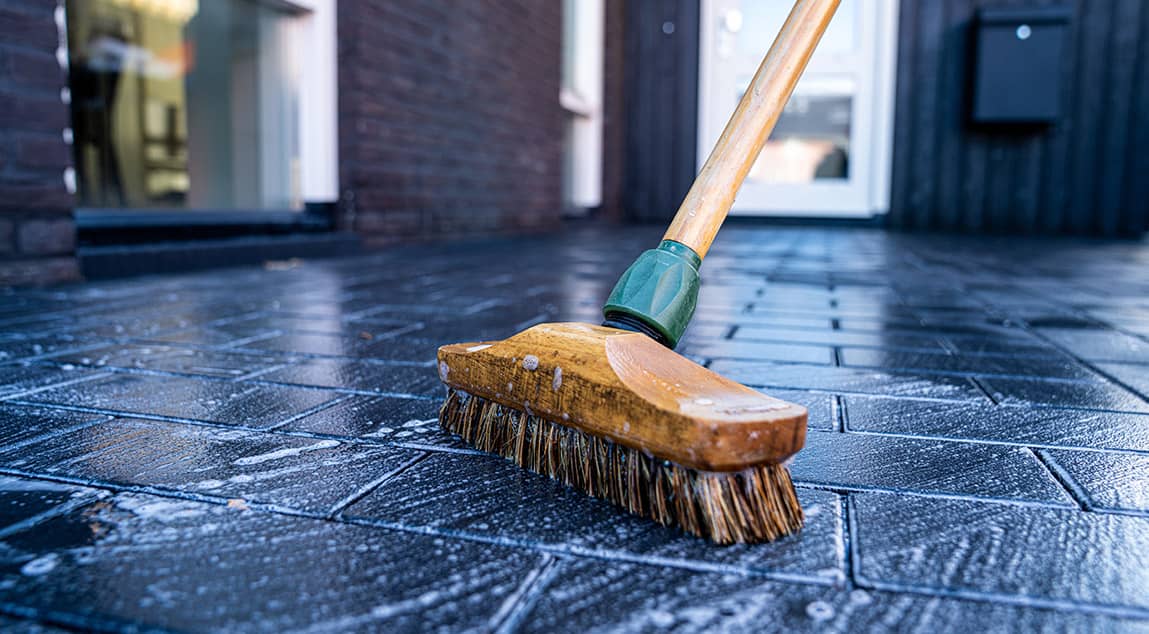
If your concrete is looking flaky or patchy or just tired, chances are the sealer has had its day. It might be peeling up at the edges, going white and chalky or just not keeping water away like it used to. No matter the signs that you see, the solution is the same. You need to strip it back and start again.
Before you reach for any chemical stripper, you need to know how to do it safely and effectively. If you use the wrong product or apply it incorrectly you could do more damage. Forget to use the right safety equipment and you might spend the rest of your day with a pharmacist.
This guide will walk you through how to safely strip old sealer from your concrete using chemical strippers, and which products Australian Slate-crete Supplies have that are best to use in Melbourne conditions.
Why Stripping Old Sealer is Worth Doing Properly
Stripping old concrete sealer correctly is essential to stop further adhesion failures, unsightly white hazing and long-term surface damage. Skipping the prep work means the new layers of sealer try to adhere to degraded sealer rather than the concrete itself. This leads to bubbling and more peeling, and costly re-dos.
If you don’t strip the old sealer and apply a new sealer, they may be incompatible. For example, applying a water-based sealer over the previous solvent-based sealer will lead to quick peeling, as the two types of chemistries fight against each other.
It is best to start from a fresh canvas, which means totally stripping off the old sealer.
How to Tell When Your Concrete Sealer Needs Stripping
Your concrete sealer needs to be stripped when it shows signs of irreversible breakdown. These signs include widespread peeling, heavy yellowing, flaking on the surface or a chalky haze.
Before you buy any harsh chemical stripper, conduct these two quick tests to see if your concrete does need stripping or just a good clean:
- The Water Drop Test. Splash some water onto your concrete. If it beads up then that means the sealer is still intact. If the water soaks into the concrete and darkens it, this means your sealer has worn away and you’ll need a fresh coat.
- The Xylene Scratch Test. If your concrete is looking cloudy, pour a little xylene over the spot and rub it. If the sealer re-melts and looks clear again you could re-flash or re-coat it again. If your sealant remains milky or sticky, the sealer has lost its bond with the concrete and requires full stripping.
What Happens If You Seal Over Old or Failing Sealer?
Sealing over old sealer, or over the failing sealer will generally lead to adhesion failure or peeling and bubbling, rapidly. You’d be needing to strip and reseal again, sooner than you normally would need to.
The old sealer prevents the new sealer bonding tightly with the concrete. This traps moisture between the layers and will cause the new sealant layer to detach.
Preparing Your Concrete Before You Strip
You need to properly prepare your concrete before stripping and applying new chemical sealant. You need to lift the old sealant without damaging the concrete slab. There is the removal of any loose debris, cleaning the surface and a thorough pressure wash to expose the clean, porous concrete substrate.
Here is a step-by-step guide to prepare the area for resealing.
- Clean the area. Remove all objects on the concrete surface. Sweep the area clean of dirt and dust and other loose detritus.
- Remove Loose Coatings. If there is paint flaking or peeling, scrape these off with a floor scraper or a stiff-bristled wire brush.
- Scrub and Degrease. The pores of concrete are very good at soaking up oil and grease. This stops the stripper from working effectively. Apply a heavy-duty degreaser and scrub vigorously with a stiff broom.
- Pressure Wash. Use a strong power washer to flush the degreaser and dirt off the concrete.
- Dry Completely. Remove any standing water with a leaf bower or a squeegee. The concrete needs to be absolutely dry before applying a chemical stripper.
Step-by-Step: How to Strip Old Sealer from Concrete
Now that you’ve prepared the area, let’s strip the old sealer from your concrete.
Step 1: Protect Your Health
- Safety gear. You must wear chemical resistant gloves, safety goggles and a respirator mask, and a long-sleeved top.
- Ventilation. You need excellent ventilation for indoor areas. Open windows and doors, get some fans if you need. Even outdoor areas, ensure there is a good breeze to blow away fumes.
- Protect surroundings. Mask off walls, cover plants, if you’re stripping outside concrete. The chemicals can stain walls and windows, and kill plants.
Step 2: Apply the Concrete Sealer Stripper
Always match the stripper to the sealer type, ie acrylic, urethane or epoxy,
- Test the patch. Test a small section to ensure it works without damaging the concrete underneath.
- Application. Use a paint roller or a brush to apply a thick, even layer of sealant stripper over a small section.
- Let it Sit. Let the stripper sit for an half an hour, or as long as the directions on the packaging tell you to. Do not let the product dry on the surface. If the stripper starts to dry, apply more concrete stripper.
Step 3: Scrape the Softened Sealer
The sealant stripper will break down the old sealant and turn it into a sticky gel.
- Scrape. Using a long-handled floor scraper, or a putty knife, scrape off the old sealant from the concrete surface.
- Dispose. Scrape the waste sealant into a metal container or a bucket to dispose of according to your local council environmental guidelines.
- Textured concrete. If you have textured concrete or stamped concrete, use a stiff wire brush to get the old sealant out of the nooks and crannies.
Step 4: Rinse and Neutralize
- Pressure Wash. Again, you need to clean the surface thoroughly with a pressure washer. This removes any residue or left over old sealant.
- Neutralise. Many chemical strippers need a neutralising agent after use. The product instructions will have information on this. You can wash the concrete with a concrete cleaner or a 50/50 water and baking soda mix.
- Rinse. Do a final rinse with some clean water or your garden hose.
Step 5: Let It Dry
Give it at least 24 hours to dry completely before applying any new sealant or staining. Applying a sealant to wet concrete will trap moisture and cause new damage.
Safety First:What You Need Before You Start Stripping Concrete
We’ve discussed the tools you’ll need to apply the chemical stripper, but what about the gear you need to protect yourself?
Protective Gear and Ventilation
- Respiratory Protection. Concrete dust contains silica. When this gets airborne and gets into your lungs, it can cause severe lung disease. Always use a fitted P2-rated respirator or higher.
- Skin and Hand Protection. Wear heavy-duty gloves, chemical and water resistant, that extend over your wrists. Wear a long-sleeved shirt. Chemical strippers contain caustic ingredients that can burn and scar your skin.
- Eye Protection. Chemical splashes or flying concrete chips are not good for your eyes. Wrap around glasses or a full face mask should be worn.
- Footwear. Wear steel-toed boots that extend over your ankles.
- Clothing. Long sleeved shirts and full length pants are essential to stop accidental exposure and burning from chemical spills.
- Ventilation. Many chemicals release hazardous fumes. If you’re working inside, have all doors and windows open, and consider a fan to help move the air.
- Exclusion Zone. Keep children and pets away from where you’re stripping sealant. Keep the area free of tripping hazards as well.
The Best Chemical Strippers for Concrete in Melbourne
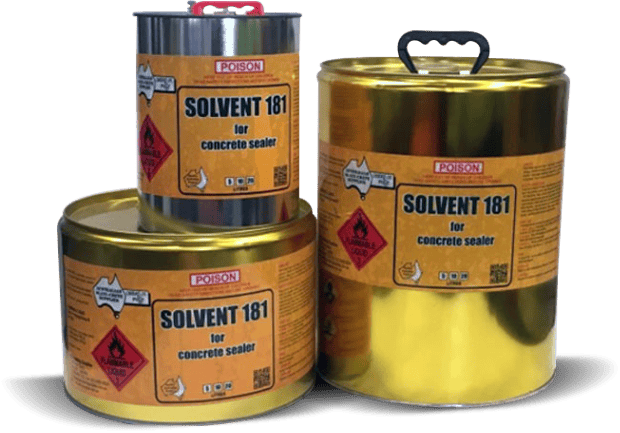
Not all chemical strippers are created equal, and choosing the right one depends on the type of sealer you’re removing and the condition of your concrete. For Melbourne tradies and DIYers, Australian Slate-Crete Supplies in Epping stocks a solid range of concrete cleaning chemicals purpose-built for the job.
Their range includes heavy-duty options like Crete-Off, Miteq 304 and 306 solutions, and a dedicated paint stripper (KCB), alongside hydrochloric acid for more stubborn mineral deposits and surface prep work prior to resealing. These are professional-grade products, so they’re strong and effective. However, they do need to be handled with care and the right protective gear, which we’ll cover in the next section.
For solvent-based sealers, you’ll generally want a solvent-based stripper. Water-based sealers can often be lifted with a water-based or alkaline stripper. If you’re unsure which sealer is on your concrete, the team at Australian Slate-Crete can help you identify it and point you toward the right product.
Solvent-Based vs Water-Based Strippers — What’s the Difference?
When it comes to chemical concrete strippers, you’re essentially choosing between two different approaches to the same problem. The right choice depends on what you’re stripping and where you’re working.
Solvent-based strippers are the heavy hitters. They use strong chemicals to aggressively break down and dissolve old sealer, which makes them fast and effective on thick or stubborn coatings like multi-layered acrylics, urethanes, and epoxies. The trade-off is that they produce strong fumes and high levels of VOCs, so you will need to wear full PPE, such as respirator, goggles, gloves, and have good ventilation. These are best suited to outdoor work or well-ventilated areas.
Water-based strippers take a gentler approach. Rather than dissolving the sealer, they work by breaking the bond between the coating and the concrete. They’re slower acting, but much safer to work with. They are low odour, low VOCs, and easy to clean up with water. For indoor projects, DIY jobs, or thinner sealer layers, a water-based stripper is usually the smarter and more practical choice.
As a general rule, match the stripper to the sealer. Solvent-based sealers typically need a solvent-based stripper to lift them, while water-based acrylics can usually be tackled with a water-based product. Not sure which sealer is on your concrete? The team at Australian Slate-Crete Supplies can help you work it out before you buy anything
Talk to Australian Slatecrete Supplies Before You Start Your Project
Stripping old sealer from concrete isn’t a job you want to get wrong. Use the wrong chemical, skip the prep, or rush the process and you can end up with a surface that’s harder to reseal than when you started.
The team at Australian Slate-Crete Supplies in Epping have over 30 years of experience helping Melbourne tradies and DIYers get the right product for the job. Whether you’re not sure what type of sealer is on your concrete, how much stripper you’ll need, or which product is right for your surface, they can point you in the right direction before you spend a cent.
You can browse their range of concrete stripping and cleaning chemicals online at australianslatecretesupplies.com.au, or head into the showroom at 12 Yale Drive, Epping and talk to someone in person. Give them a call on 03 9408 7722, Monday to Friday 7:30am–4:00pm, or Saturday mornings until 11:30am.
-
 February 4, 2022Sandstone Concrete Stencil
Do you want to add a touch of luxury and elegance to your concrete projects? If so, then consider using sandstone concrete stencils!
Read More -
 February 4, 2022Gloss Brick Sealer
Gloss brick sealer is a wonderful material for adding a brilliant shine to your brick slip wall feature.
Read More -
 February 4, 2022Bluestone Concrete Sealer
In a broad sense, the term “bluestone” is sometimes used to refer to a variety of stones. It’s a marketing term rather than a geological one.
Read More